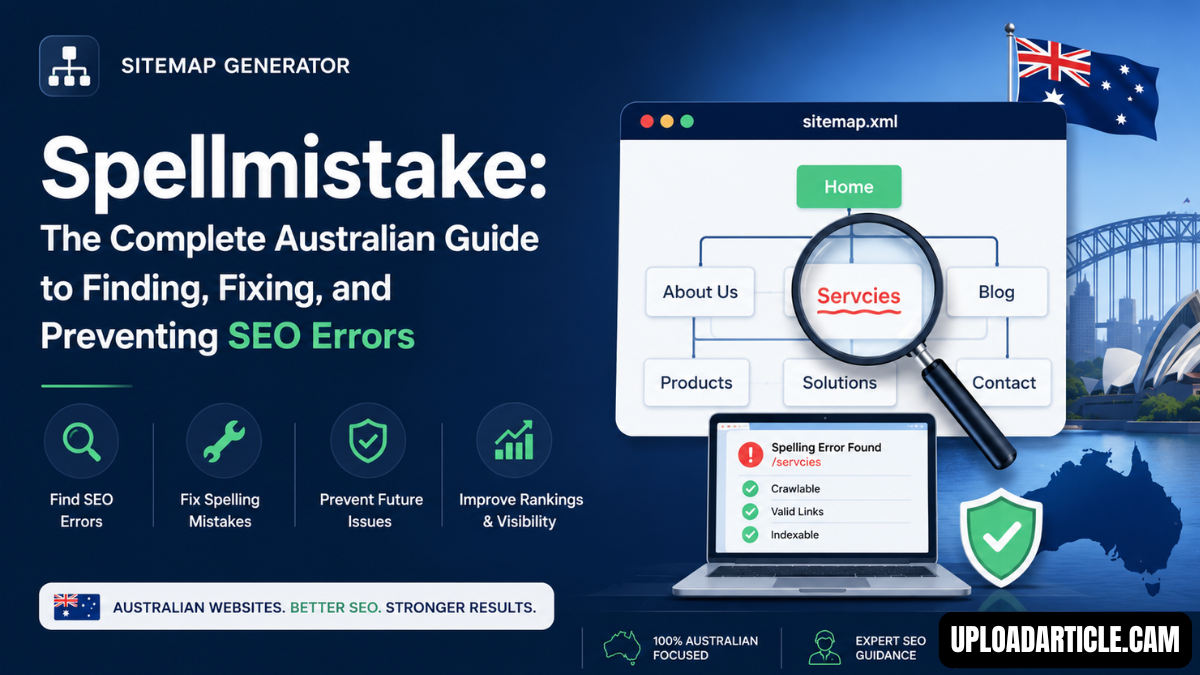
Sitemap Generator Spellmistake: The Complete Australian Guide to Finding, Fixing, and Preventing SEO Errors
If you’ve searched for sitemap generator spellmistake, you’re not alone. Thousands of website owners accidentally misspell SEO-related terms while looking for tools to create XML sitemaps. Whether you’re running a small Australian business website, an online store, or a growing blog, understanding what a sitemap generator does—and why spelling matters—can save you time and improve your search engine visibility.
Many people type phrases like sitemap generator spellmistake when they mean “sitemap generator” or when they’re troubleshooting issues caused by incorrect filenames, URLs, or sitemap settings. Search engines are smart enough to understand many spelling errors, but your website’s XML sitemap must be accurate. Even a small typo in a sitemap URL can stop search engines from discovering your pages efficiently.
This guide explains everything you need to know about the sitemap generator spellmistake, common XML sitemap errors, how to choose the right sitemap generator, and practical tips for Australian website owners.
Key Takeaways
- A sitemap generator spellmistake usually refers to a typo made while searching for or using a sitemap generator.
- XML sitemaps help Google discover and index website pages.
- Even small spelling mistakes in sitemap filenames or URLs can create crawling issues.
- Most modern CMS platforms automatically generate sitemaps.
- Regular sitemap maintenance improves your site’s SEO performance.
- Australian businesses benefit from keeping XML sitemaps updated whenever new content is published.
What Is a Sitemap Generator?
A sitemap generator is a tool that creates an XML sitemap for your website. The sitemap acts as a roadmap that tells search engines which pages exist, when they were updated, and which pages are most important.
When someone searches for sitemap generator spellmistake, they’re often trying to find the correct sitemap tool after making a typing error or wondering whether spelling mistakes affect sitemap performance.
Fortunately, search engines usually understand search queries containing spelling errors. Your website’s XML sitemap, however, doesn’t get that flexibility. Every filename, URL and directory must be written correctly.
Understanding the Sitemap Generator Spellmistake
The phrase sitemap generator spellmistake isn’t actually an SEO term. Instead, it’s a search query that reflects a common mistake people make while looking for sitemap tools.
Examples include:
- sitemap genrator
- site map generator
- sitemap generater
- sitemap.xml typo
- sitemap generator spellmistake
These typing mistakes don’t usually stop you from finding useful information. Problems only arise when the spelling mistake appears inside your website’s sitemap itself.
For example:
Incorrect:
Correct:
That single missing letter could prevent search engines from finding your sitemap.
Why XML Sitemaps Matter for SEO
An XML sitemap isn’t a ranking factor on its own, but it helps search engines crawl your website more efficiently.
Benefits include:
- Faster page discovery
- Better indexing of new content
- Easier crawling of large websites
- Improved visibility for recently updated pages
- Better organisation for complex websites
For Australian businesses competing in local search results, these benefits can make a noticeable difference over time.
Common Sitemap Generator Spellmistake Problems
Many website owners assume the sitemap generator spellmistake only refers to search queries. In reality, spelling mistakes can happen throughout the sitemap creation process.
Incorrect Sitemap Filename
The standard sitemap filename is:
sitemap.xml
Using filenames like:
- sitemapx.xml
- sitmap.xml
- sitemap.XML
- sitemap-generator.xml
may cause confusion if they’re not configured correctly.
Broken URLs
Every URL inside your sitemap must exactly match the live page.
Incorrect:
Correct:
One spelling error can create crawl errors.
Wrong Folder Location
Your sitemap should usually live in your website’s root directory.
For example:
Not:
unless intentionally configured.
Incorrect Image URLs
Image sitemaps also need accurate URLs.
Misspelled image filenames may prevent Google from indexing images properly.
Choosing the Best Sitemap Generator
If your search started with sitemap generator spellmistake, you’re probably looking for a reliable tool.
Here are the most popular options.
WordPress Plugins
Many WordPress websites automatically generate XML sitemaps.
Popular plugins include:
- Yoast SEO
- Rank Math
- All in One SEO
These plugins update sitemaps automatically whenever new content is published.
Online Sitemap Generators
These work well for smaller websites.
Advantages include:
- No installation
- Quick generation
- Easy downloading
- Beginner-friendly interface
Desktop Software
Large websites often use dedicated desktop applications that crawl every page before generating an XML sitemap.
These tools usually provide more detailed reports and detect broken links.
How Search Engines Handle Spelling Mistakes
People often wonder whether a sitemap generator spellmistake affects Google rankings.
The answer depends on where the mistake occurs.
Search Query Mistakes
Google understands most spelling errors.
Searching for:
sitemap generator spellmistake
will usually return results about sitemap generators.
No issue there.
XML Sitemap Mistakes
Search engines cannot guess broken filenames or incorrect URLs.
If your sitemap references:
example.com/about-usss
instead of
example.com/about-us
that page may never be crawled correctly.
Signs Your Sitemap Has Problems
Watch for these warning signs:
- Pages aren’t appearing in Google search.
- Crawl errors continue increasing.
- Newly published articles aren’t indexed.
- Broken links appear inside your sitemap.
- Your sitemap contains old URLs.
These symptoms often indicate mistakes beyond a simple sitemap generator spellmistake search query.
Best Practices for Australian Website Owners
Whether you’re operating from Sydney, Melbourne, Brisbane, Perth or regional Australia, following sitemap best practices helps search engines understand your website.
Keep the Sitemap Updated
Every new page should appear automatically.
If your sitemap hasn’t changed for months, something may be wrong.
Remove Deleted Pages
Old URLs returning 404 errors shouldn’t remain inside the sitemap.
Clean sitemaps improve crawl efficiency.
Submit the Sitemap
After creating the XML sitemap, submit it through Google’s webmaster tools so search engines know where to find it.
Use HTTPS URLs
Every URL should begin with:
https://
Avoid mixing secure and non-secure versions.
Avoid Duplicate URLs
Duplicate pages confuse search engines and waste crawl budget.
How to Fix Sitemap Errors Step by Step
If you’ve discovered a sitemap generator spellmistake issue or suspect your sitemap contains errors, don’t panic. Most sitemap problems are straightforward to fix with a systematic approach.
Step One: Check Your Sitemap URL
The first thing to verify is whether your sitemap is accessible. In most cases, your sitemap should be available at:
- https://yourdomain.com/sitemap.xml
Open the URL in your browser. If you receive a 404 error or a blank page, your sitemap may not exist or may have been saved in the wrong location.
Step Two: Validate the XML Format
An XML sitemap must follow the correct structure. Even one missing tag or invalid character can cause search engines to reject the file.
Common XML issues include:
- Missing closing tags
- Invalid characters
- Incorrect encoding
- Broken formatting after manual edits
Avoid editing your sitemap manually unless you’re familiar with XML syntax.
Step Three: Remove Broken URLs
Every URL in your sitemap should lead to a live page.
Remove pages that return:
- 404 Not Found
- 410 Gone
- Redirect chains
- Server errors
Keeping your sitemap clean helps search engines crawl your website more efficiently.
Step Four: Update the Sitemap Regularly
If you publish new blog posts, products or service pages, your sitemap should update automatically.
For websites that change frequently, an automated sitemap generator is usually the best option.
Manual vs Automatic Sitemap Generators
People searching for sitemap generator spellmistake often wonder whether they should create a sitemap manually or rely on software.
Manual Sitemap Generation
Manual sitemaps can work for very small websites with only a handful of pages.
Pros
- Complete control
- Simple for tiny websites
- No additional software required
Cons
- Time-consuming
- Easy to make spelling mistakes
- Difficult to maintain
- Higher risk of outdated URLs
Automatic Sitemap Generators
Automatic generators continuously update your sitemap whenever new content is published.
Pros
- Saves time
- Reduces human error
- Automatically includes new pages
- Better for SEO
- Ideal for growing websites
For most Australian businesses, an automatic solution is the smarter choice.
Common Myths About Sitemap Generator Spellmistake
There are several misconceptions surrounding the phrase sitemap generator spellmistake. Let’s clear up the most common ones.
Myth 1: A Misspelled Search Query Hurts Your Website
False.
Typing sitemap generator spellmistake into Google doesn’t affect your site’s SEO. Search engines understand many spelling variations and often return the intended results.
Myth 2: Every Website Needs a Sitemap
Not necessarily.
Very small websites with only a few pages may still be crawled effectively without one. However, having an XML sitemap is considered a best practice for nearly all modern websites.
Myth 3: A Sitemap Improves Rankings Directly
No.
A sitemap doesn’t automatically boost rankings. Instead, it helps search engines discover and index your pages more efficiently, which supports your overall SEO strategy.
Myth 4: You Only Need to Generate a Sitemap Once
Incorrect.
As your website grows, your sitemap should evolve with it. New pages, deleted content and structural changes all require updates.
Practical Example for an Australian Business
Imagine you own a landscaping company in Adelaide. You recently added pages for:
- Garden design
- Lawn care
- Irrigation services
- Commercial landscaping
If these new pages aren’t included in your sitemap, search engines may take longer to discover them.
Now imagine a sitemap generator spellmistake causes one page URL to be entered incorrectly. Instead of indexing your new service page, search engines encounter a broken link.
Correcting that simple error ensures your latest services can appear in search results much sooner.
Tips to Prevent Future Sitemap Mistakes
Preventing errors is easier than fixing them later. Keep these best practices in mind:
- Use a trusted sitemap generator rather than creating files manually.
- Review your sitemap after major website updates.
- Remove outdated or redirected URLs.
- Check for crawl errors regularly.
- Avoid renaming sitemap files unless necessary.
- Keep internal links consistent.
- Ensure HTTPS is used across your entire website.
- Test your sitemap after redesigning your website.
Following these habits significantly reduces the likelihood of another sitemap generator spellmistake causing indexing issues.
Conclusion
Searching for sitemap generator spellmistake usually begins with a simple typo, but it often leads website owners to discover the importance of XML sitemaps and technical SEO. While search engines are generally forgiving of spelling mistakes made in search queries, they expect complete accuracy within your website’s sitemap.
A properly generated sitemap helps search engines discover new pages, understand your site’s structure and crawl your content more efficiently. By choosing a reliable sitemap generator, checking your XML file regularly and fixing broken URLs promptly, you’ll create a stronger foundation for long-term SEO success.
Whether you manage a personal blog, an Australian small business website or a growing eCommerce store, investing a little time in maintaining your sitemap can improve indexing and make it easier for potential customers to find your content online. Remember, avoiding a sitemap generator spellmistake isn’t just about spelling—it’s about maintaining a technically healthy website that search engines can trust.
Frequently Asked Questions
What does sitemap generator spellmistake mean?
It usually refers to a typo made while searching for a sitemap generator. The phrase isn’t an official SEO term but commonly appears when users accidentally misspell “sitemap generator” or look for help fixing sitemap errors.
Can a spelling mistake inside my sitemap affect SEO?
Yes. A spelling mistake in a sitemap filename or URL can prevent search engines from finding or indexing the correct pages, which may reduce your site’s visibility.
How often should I update my XML sitemap?
Whenever your website changes. If you add, remove or significantly update pages, your sitemap should reflect those changes. Most modern CMS platforms handle this automatically.
Do small Australian business websites need a sitemap?
Yes, in most cases. Even smaller websites benefit from having an XML sitemap because it helps search engines discover pages faster and crawl the site more efficiently.
What is the easiest way to avoid a sitemap generator spellmistake?
Use an automatic sitemap generator. Automated tools minimise human error, keep your sitemap updated and reduce the risk of spelling mistakes or broken URLs.