African Spurred Thigh Tortoise Care Guide: Diet, Habitat & Facts
Have you ever met a walking rock with a huge personality? Meet the African Spurred Thigh Tortoise! You might also hear people call it the Sulcata tortoise. This amazing pet is famous for the cool, pointy bumps on its back legs. They look just like little spurs! These gentle giants come from the hot, dry parts of Africa called the Sahel. Because they live in tough places, they are super strong and love to dig big tunnels in the dirt.
Keeping one of these big buddies is a fun adventure. But it is also a very big job! They live for a super long time, often passing 70 years. That means your pet tortoise might even outlive you! They need lots of space to roam around and munch on fresh grass. If you want a pet that feels like a tiny dinosaur, this is the one for you. Let us dive in and learn how to keep your African spurred thigh tortoise happy, healthy, and full of life!
What is an African Spurred Thigh Tortoise?
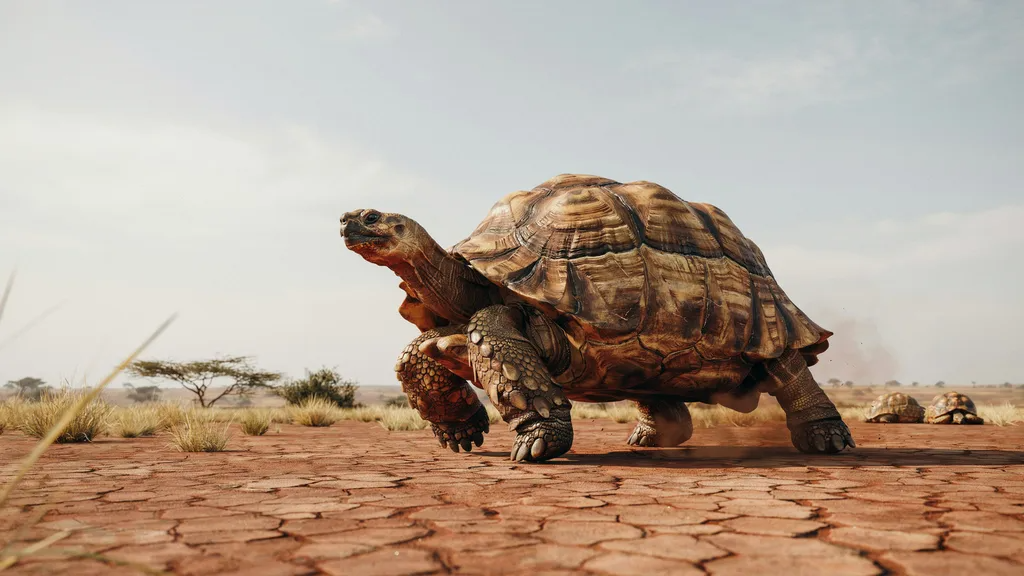
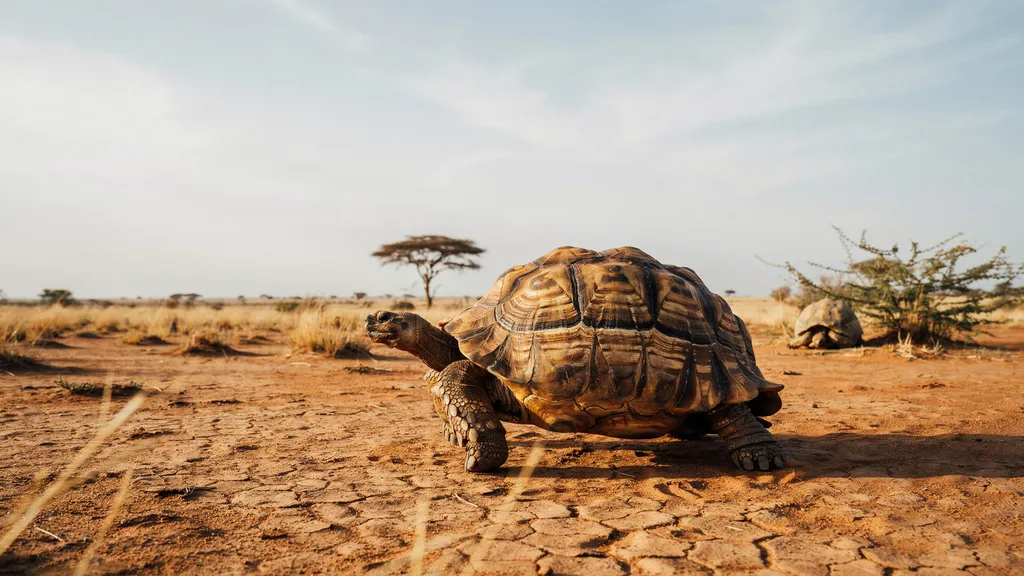
The African spurred thigh tortoise is one of the biggest land turtles in the entire world. Scientists call it Centrochelys sulcata. Sulcata comes from a Latin word that means furrowed. This name points to the deep grooves on their shell. You can easily spot them by their tan or brown shells and those neat spurs on their back legs. These spurs help them dig deep holes to hide from the blazing sun.
These little crawlers start out super tiny. A baby fits right in the palm of your hand! But do not let that fool you. They grow really fast. In just a few years, a baby turns into a giant tank. An adult can weigh over one hundred pounds! They are very calm animals, but they have a lot of power. Because of their size, you need a big yard or a special room just for them when they grow up.
Natural Habitat and Where They Live
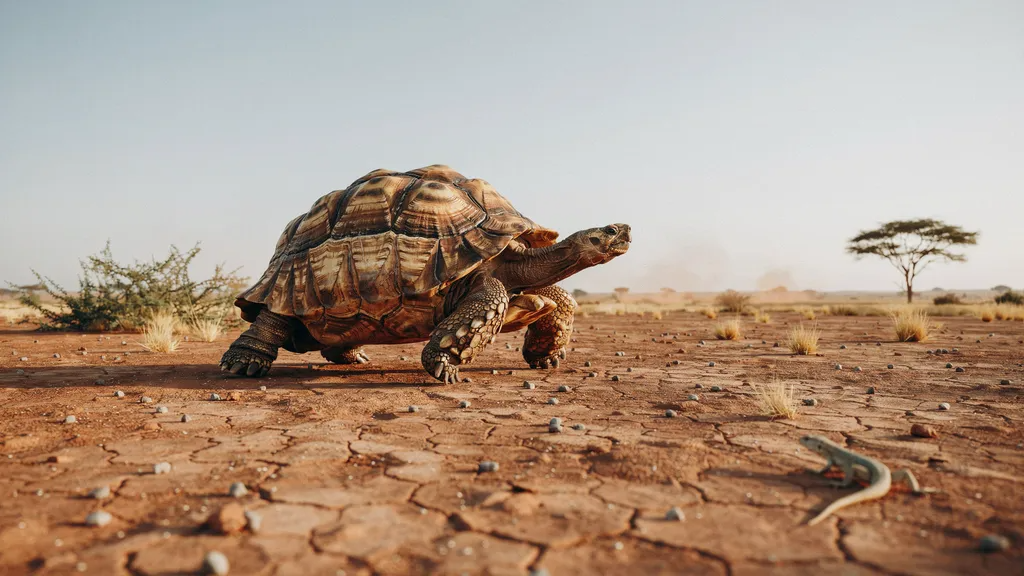
In the wild, these cool reptiles live in the dry parts of Africa. Think of hot deserts, dry grasslands, and scrubby plains. Places like Senegal, Sudan, and Ethiopia are their true home. The weather there is super hot during the day and gets chilly at night. To survive, the African spurred thigh tortoise spends a lot of time underground. They dig tunnels that can go ten feet deep into the cool dirt!
Digging helps them stay safe from the scorching sun and freezing night air. It also helps them find a bit of moisture in the dry dirt. When you build a home for your pet, you must remember this cool fact. They love to dig! If you do not give them a safe spot to dig, they might try to tunnel right under your garden fence. Always make sure their outdoor play area is secure and deep in the ground.
Diet and What They Love to Eat
What is on the menu for a giant reptile? The African spurred thigh tortoise is a total vegetarian. In the wild, they munch on tough grasses, weeds, and leafy plants. They have strong jaws that can chop up prickly plants and dry twigs with ease. You should feed your pet lots of safe grass, dandelion greens, and clover. They also love hibiscus leaves and turnip greens!
You must avoid giving them too much fruit or veggies from the grocery store. Foods like lettuce or apples have way too much sugar and water. They need high fiber to keep their tummy working just right. Think of them as living lawnmowers! Sprinkling a little calcium powder on their food a few times a week helps keep their shell hard and strong. Always keep a shallow dish of fresh water nearby so they can drink whenever they feel thirsty.
Housing and Outdoor Enclosures
Because the African spurred thigh tortoise gets so big, a tiny glass tank will not work for long. Babies can start in a medium indoor tub. But adults need a massive space! When the weather is warm and sunny, an outdoor pen is E-E-A-T best. It gives them fresh air, real sunshine, and room to stretch their legs. The fence must be buried deep so they cannot dig under it and escape.
Inside their pen, you should set up a warm shelter or a small heated doghouse. They need a safe place to go if it rains or gets too cold outside. Use safe dirt or cypress mulch on the ground. Avoid using tiny wood chips that they might try to eat by mistake. Keeping their home clean and dry is the best way to stop them from getting sick. A happy tortoise loves to patrol its yard every single morning!
Temperature and Lighting Needs
Reptiles cannot make their own body heat. The African spurred thigh tortoise relies on the sun to warm up. In your indoor setup, you need special heat lamps and UVB lights. The warm side of their home should be around 95°F to 100°F. The cooler side can stay around 80°F. At night, the temperature can drop a little bit, but it should never go below 75°F for young ones.
UVB light is super important. It acts just like real sunshine. It helps your African spurred thigh tortoise use calcium to build a strong, smooth shell. Without it, their shell can get soft and bendy, which makes them very sick. Make sure your lamps are set up safely so the pet cannot touch the hot bulbs. Checking the temperatures with a digital thermometer every day keeps things safe and cozy.
Growth and Size Expectations
Are you ready for a giant pet? The growth rate of an African spurred thigh tortoise is super fast. A baby is only about two to three inches long. But in just five years, they can reach over twelve inches! By the time they are fully grown, they can stretch up to thirty inches long. They can also weigh anywhere from seventy to one hundred pounds. Some big males even weigh more!
This means you need a long-term plan. You cannot just keep a giant animal in a normal bedroom. Many owners build custom outdoor sheds with heating for their adult pets. Watching them grow is an amazing journey. But you must be ready to feed a big eater and share your yard with a heavy, friendly tank on four legs. They are a lifelong commitment that brings so much joy.
Behavior and Daily Habits
The African spurred thigh tortoise is a daytime explorer. They wake up with the sun, warm up in the light, and go on a hunt for food. They are very curious animals. If you put a new toy or a pile of hay in their yard, they will walk right over to check it out. They might even try to push small balls around with their nose! They are gentle, but they do not like to be cuddled too much.
Sometimes, a male African spurred thigh tortoise can get a little stubborn. They might headbutt things that get in their way, like rocks or shoe boxes. This is just their way of showing who is boss. They are mostly quiet, but you might hear them making a soft huffing sound when they breathe out. Watching them munch on grass or take a slow walk in the yard is super relaxing and fun for the whole family.
Health and Common Care Tips
Keeping your pet healthy is pretty simple if you follow a few basic rules. The number one enemy of the African spurred thigh tortoise is too much wetness and cold air. If they get too cold and damp, they can catch a chest cold. Always keep their sleeping area dry and warm. Soak your growing pet in warm, shallow water a few times a week to help them stay clean and hydrated.
Check their shell often. A healthy shell feels hard and looks neat. If you see any bumps, weird smells, or soft spots, it is time to call a special reptile vet. Keeping their nails trimmed and their beak looking normal is also part of good care. With clean food, warm lights, and lots of sunshine, your African spurred thigh tortoise can live a long and joyful life by your side.
Fun Facts You Might Not Know
Did you know the African spurred thigh tortoise is a real digging pro? They can move huge piles of dirt and rocks just by using their strong front legs. Another cool thing is that they do not hibernate like some other turtles do. Because they live near the equator, the sun shines all year long. Instead of sleeping through the winter, they might slow down a bit on very hot or cooler days.
Also, their shell is made of the same stuff as your fingernails! It is called keratin. Each little plate on their back is called a scute. As the African spurred thigh tortoise grows, new rings form on these plates. You can almost count the rings like tree rings to see how much they have grown. They are truly living wonders of nature that teach us how tough and amazing desert animals can be.
Summary and Final Thoughts
Bringing home an African spurred thigh tortoise is a huge and wonderful choice. These awesome reptiles turn a simple backyard into an exciting wildlife park. They need warm sunshine, a big grassy yard, and healthy food to thrive. In return, they offer a calm presence and a look into the ancient world of desert survivors. They are strong, smart, and full of character.
If you have the space and time to care for a giant walking rock, you will love every minute of it. Just remember to plan for their big size and long life. Give them a great diet, lots of room to dig, and a cozy warm house. Your new scaly friend will reward you with decades of fun. Start setting up your space today and enjoy the amazing journey of raising an African spurred thigh tortoise!
Frequently Asked Questions
What do I feed my African spurred thigh tortoise?
You should feed your African spurred thigh tortoise plenty of fresh grass, dandelion greens, clover, and safe weeds. Keep their diet high in fiber and low in sugar. Avoid feeding them sugary fruits or watery grocery store lettuce.
How big does an African spurred thigh tortoise get?
An adult African spurred thigh tortoise can grow up to thirty inches long. They usually weigh between seventy and one hundred pounds. Some big males can even grow a bit heavier than that!
Do African spurred thigh tortoises need special lighting?
Yes, they need special UVB lights and heat lamps inside their home. The UVB light acts like real sunshine. It helps your African spurred thigh tortoise use calcium to build a strong and healthy shell.
Why does my African spurred thigh tortoise like to dig?
Digging is a natural habit for an African spurred thigh tortoise. In the wild, they dig deep tunnels to stay cool in the hot desert and warm when the night air gets chilly.
How long does an African spurred thigh tortoise live?
An African spurred thigh tortoise can live for a very long time. They often live for more than seventy years! That means they need lifelong care and a good long-term plan from their owner.
Can an African spurred thigh tortoise live outside?
Yes, they love living outside when the weather is warm and sunny. You just need to build a secure pen with a deep fence so your African spurred thigh tortoise cannot dig out and escape.